via IFTTT
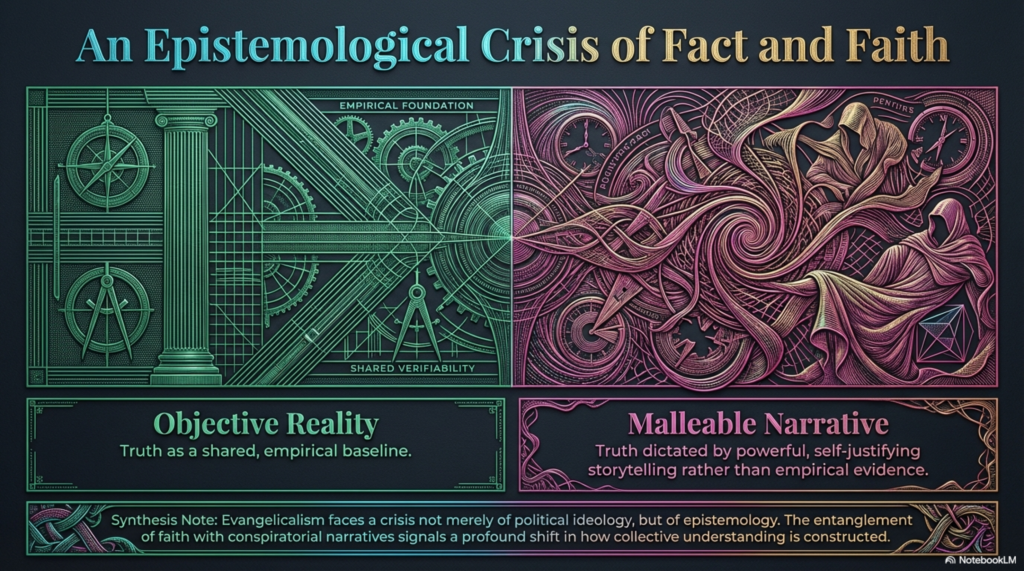
Jared Stacy’s Reality in Ruins examines the troubling connection between American evangelical Christianity and the rise of conspiracy theories. The text argues that a “crisis of fact and faith” has led many believers to abandon a shared reality in favour of paranoid narratives and political power. Stacy identifies “disreality” as a state where communal truth is eroded by fear, historical revisionism, and the weaponization of Scripture. To combat this, he advocates for a “dissident discipleship” rooted in humility, honesty, and a commitment to healing divided communities. Ultimately, the work serves as both a scholarly analysis and a theological call to rediscover a faith that prioritises truth over dominance.
Why Facts Aren’t Enough: 6 Surprising Lessons from the Frontlines of “Disreality”
In our contemporary landscape, we are witnessing more than a mere disagreement over policy or preference; we are observing the rapid decay of our shared social fabric. Many of us have felt the vertigo of realizing that a parent, a lifelong friend, or a neighbor now inhabits an entirely different version of the world. Logic fails, evidence is dismissed, and the ground of mutual understanding has been replaced by a chasm of suspicion.
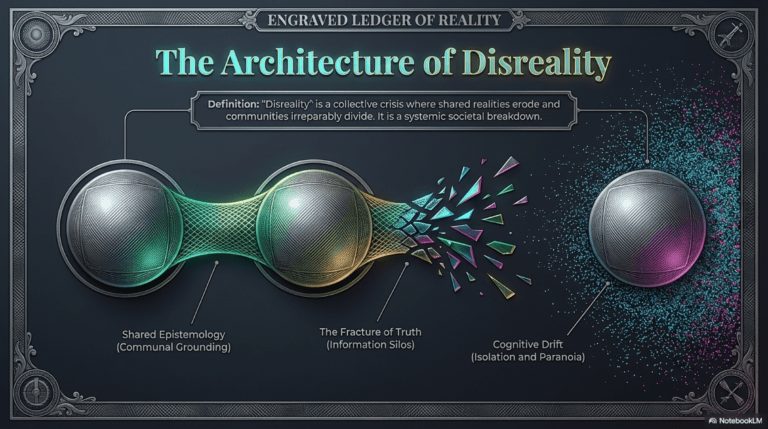
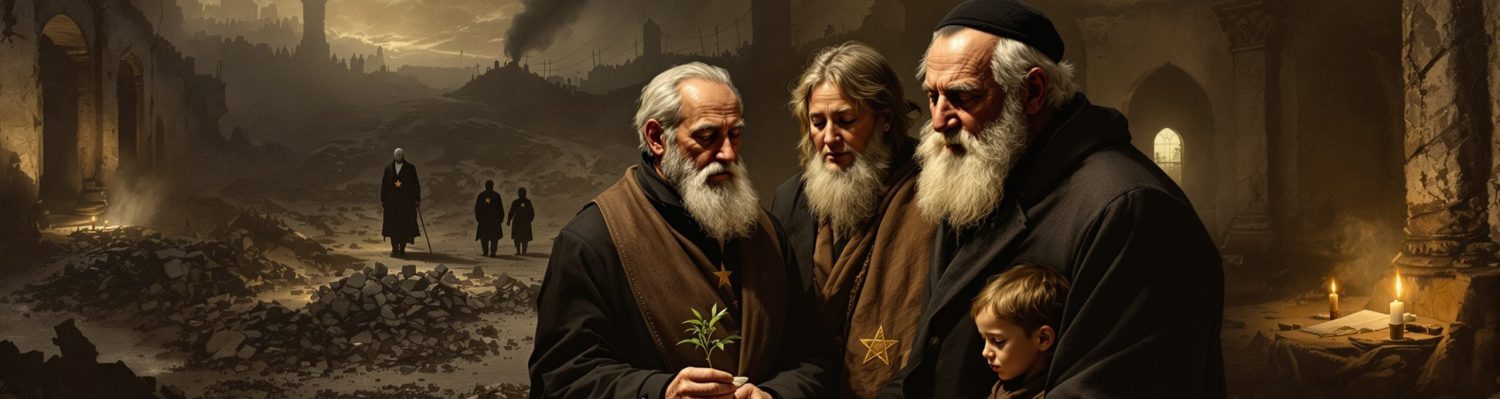
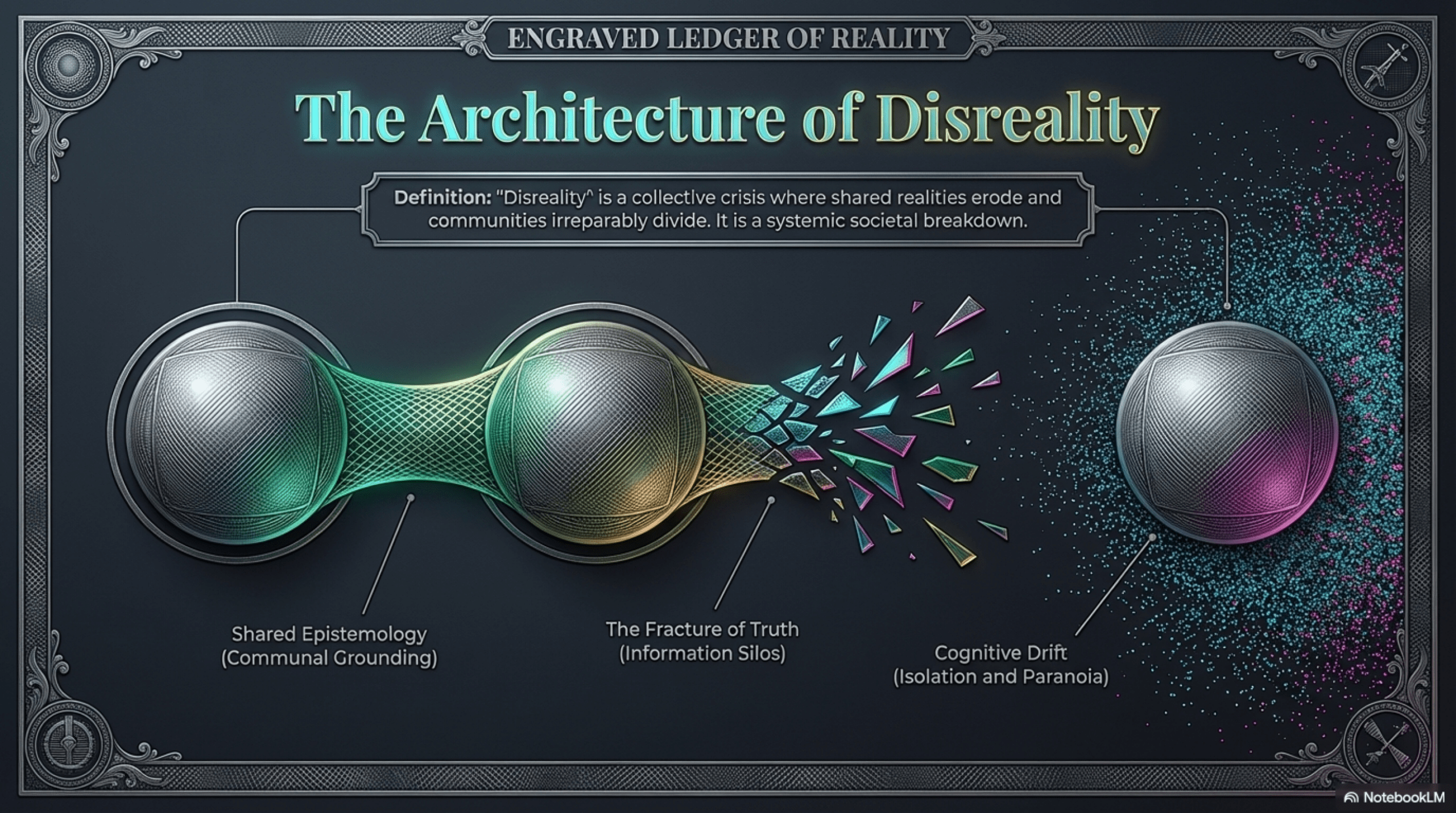
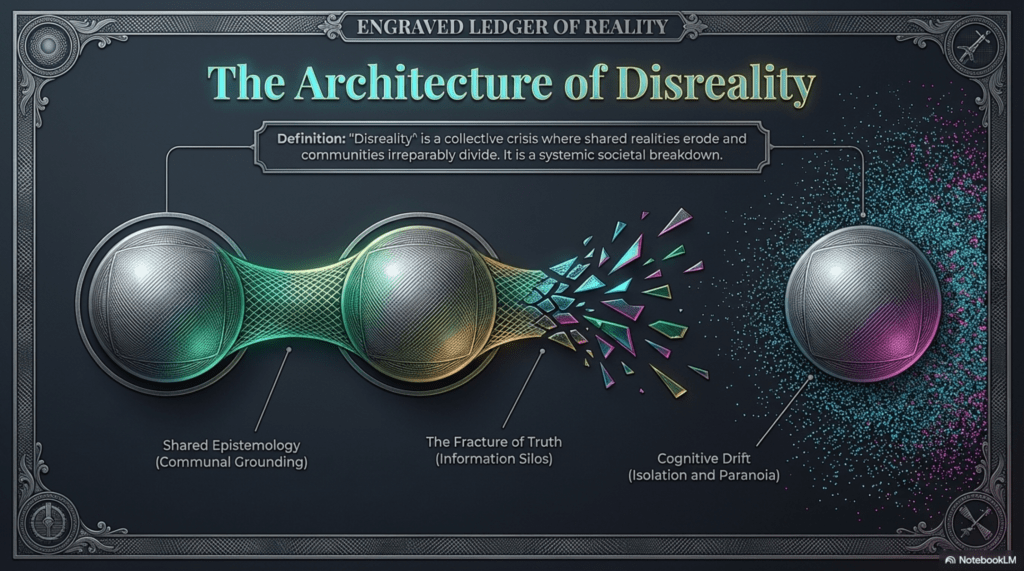
This state of structural collapse is what Jared Stacy, PhD, identifies in Reality in Ruins as “Disreality.” It is not simply a collection of “fake news” or differing opinions, but a fundamental breakdown of the “Common World” driven by a pervasive, localized paranoia. As a cultural theologian, Stacy unmasks the ways in which our sacred narratives have been hijacked, resulting in a reality that is not just fractured, but weaponized. To understand how we arrived here, we must deconstruct the mechanics of this ruin.
1. Stories Are More Compelling Than Facts
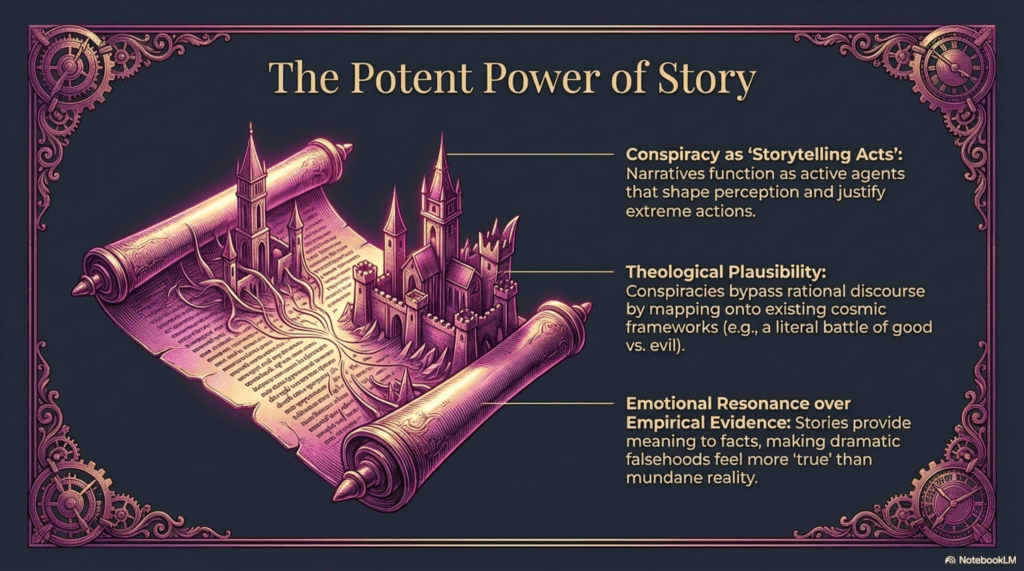
We often operate under the Enlightenment delusion that providing more empirical data will “fix” a conspiracy theorist. This is a category error. Stacy deconstructs conspiracy theories not as failed factual claims, but as “storytelling acts.” They are frameworks designed to provide meaning in a vacuum of chaos, where the narrative arc is prioritized over the accuracy of the details.
Biologically and spiritually, human beings are wired for the dramatic over the dry. We crave a cohesive story because it grants us a “hero” role in a cosmic battle between good and evil. Dry facts offer no such glory. In a world that feels increasingly out of control, a dramatic conspiracy offers the individual a sense of agency and importance that objective reality cannot provide. When the world feels like a ruin, people will cling to a story that makes sense of the rubble, even if that story is a lie.
“Everything depends on the stories we tell.”
2. “Disreality” Is a Shared Crisis, Not an Individual One
The modern tendency is to treat belief in a conspiracy as a private intellectual failure—a lack of critical thinking in a specific individual. However, an honest diagnosis reveals that “Disreality” is a collective event. It represents the erosion of “Common Worlds”—the shared environment of trust and language that makes communication possible in the first place.
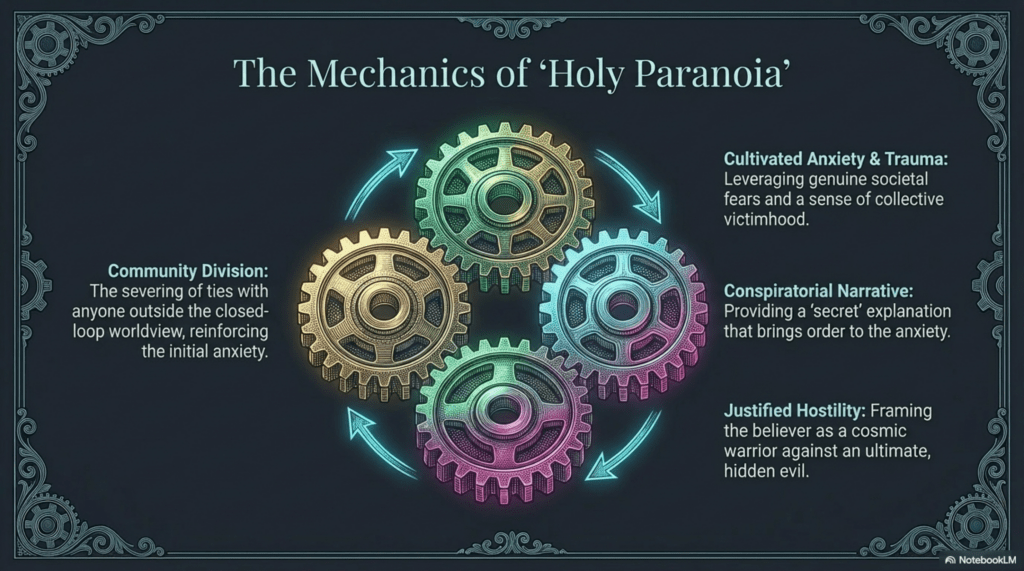
When a community enters “Disreality,” social cohesion is the first thing to burn. Belief in a conspiracy is a social ritual; it aligns the believer with a new “in-group” while simultaneously severing them from the broader community. This is why “fact-checking” fails—it attempts to fix a cognitive error when the actual problem is a broken communion. We are not just losing our grip on truth; we are losing our ability to inhabit a world together.
3. Conspiracy Theories Can Be Traumatic
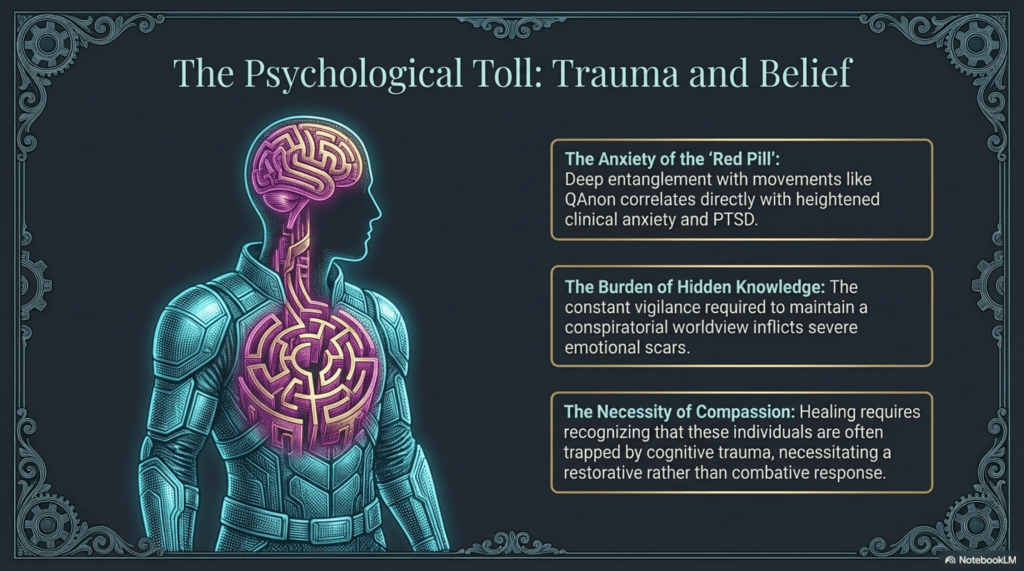
We must stop treating conspiracism as a harmless eccentricity or a punchline. The psychological data is harrowing: movements like QAnon are linked to heightened anxiety, PTSD, and a deep psychological toll on families. These narratives do not just change a person’s mind; they leave profound emotional scars. Stacy’s analysis indicts the “domination logic” of ridicule—the idea that we can shame people back into reality.
Ridicule is merely a different form of the same power-seeking behavior that fuels conspiracies. We must recognize that many ensnared in these webs are responding to genuine fear and victimhood. The physical violence of the Capitol Riots was the outward manifestation of internal theological justifications. A compassionate critique recognizes that these beliefs often function as a trauma response, and the path back to reality requires healing, not just debunking.
4. “Holy Paranoia” Has a Long History
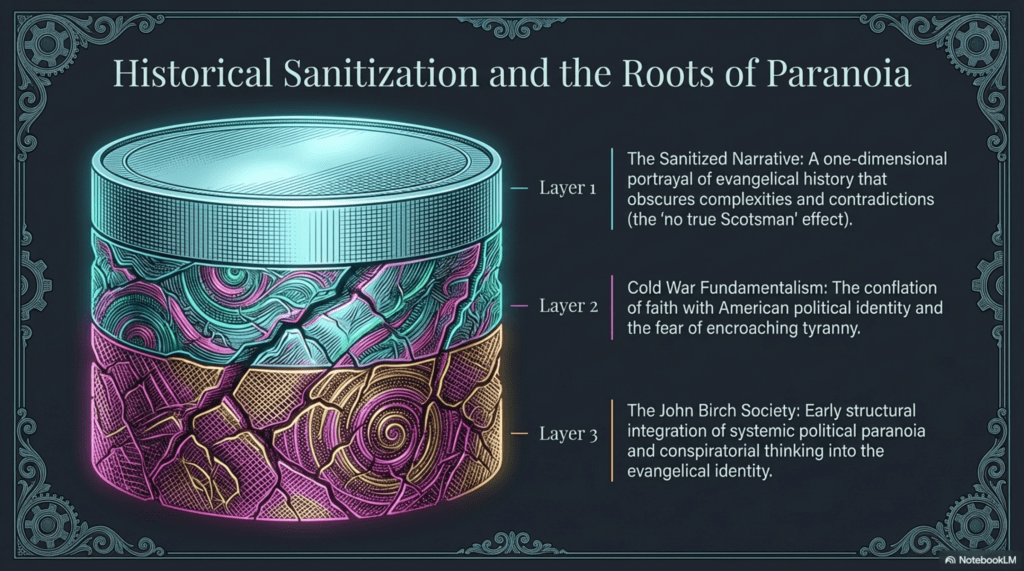
Modern conspiracism did not emerge from a vacuum; it is a modular architecture of fear that has been repurposed for generations. Stacy traces the roots of “holy paranoia” back to the Cold War and the influence of the John Birch Society. These narratives are “modular” because they keep the same “us-versus-them” structure while simply swapping out the targets—moving from “Communism” to “Globalism” or “Deep State” actors.
This historical perspective is vital because it reveals that these movements are self-justifying mechanisms. They provide a “sanitized” history that removes complexity and contradictions, replacing them with a one-dimensional portrayal of victimhood. By understanding this lineage, we can see that current conspiracies are not new “revelations” but the latest iteration of a long-standing cultural habit of seeking a secret enemy to blame for the world’s brokenness.
5. The Weaponization of “Shattered” Scripture
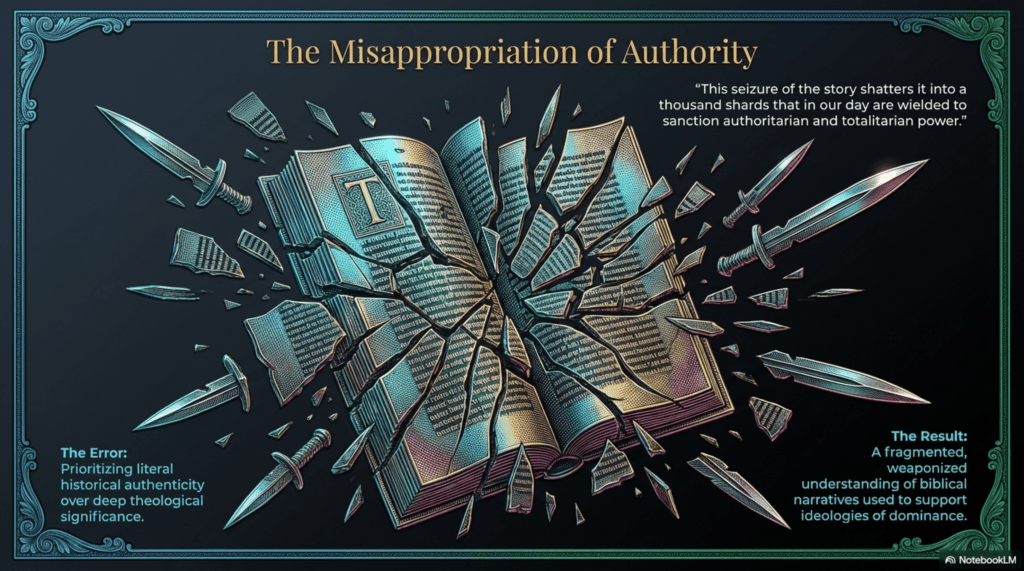
One of the most devastating aspects of our current “Disreality” is the misappropriation of scriptural authority to support authoritarian power. In what Stacy calls a “Midrashic” error, many within the evangelical movement have prioritized the “historical authenticity” of the Bible—treating it as a manual for mastery or a secret code—over its actual theological and transformative meaning.
When Scripture is seized to gain a sense of control, its living message is lost. It is no longer a word that transforms the self, but a tool used to dominate the “other.” By focusing on mastery and “red-pilled” secrets, the narrative of peace is discarded in favor of a narrative of power.
“This seizure of the story shatters it into a thousand shards that in our day are wielded to sanction authoritarian and totalitarian power.”
6. The Antidote is “Good Suspicion”
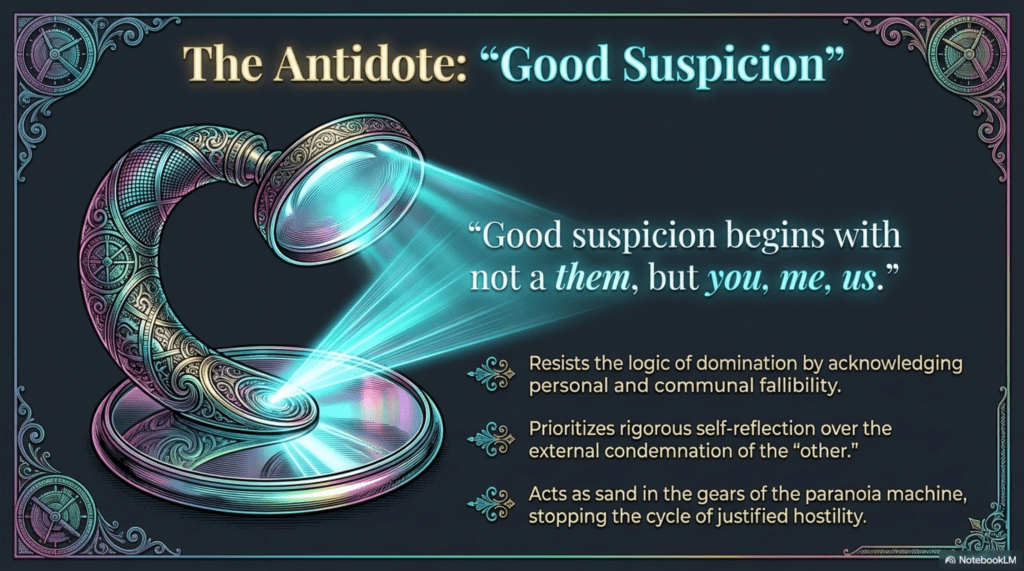
If paranoia is a suspicion directed outward at a “them,” the antidote is what Stacy calls “Good Suspicion.” This is a healthy skepticism that begins with self-reflection. It is the theological equivalent of the biblical mandate to remove the plank from one’s own eye before addressing the speck in a neighbor’s.
Good suspicion acts as “sand in the machine” of conspiratorial thinking because it demands humility. It removes the absolute “certainty” that paranoia requires to function. While paranoia seeks to unmask the secrets of an enemy, good suspicion unmasks the biases and fallibilities of the self. It shifts our focus from external condemnation to internal honesty, breaking the gears of the domination logic that keeps us divided.
“Good suspicion begins with not a them, but you, me, us.”
Conclusion: A Path Forward
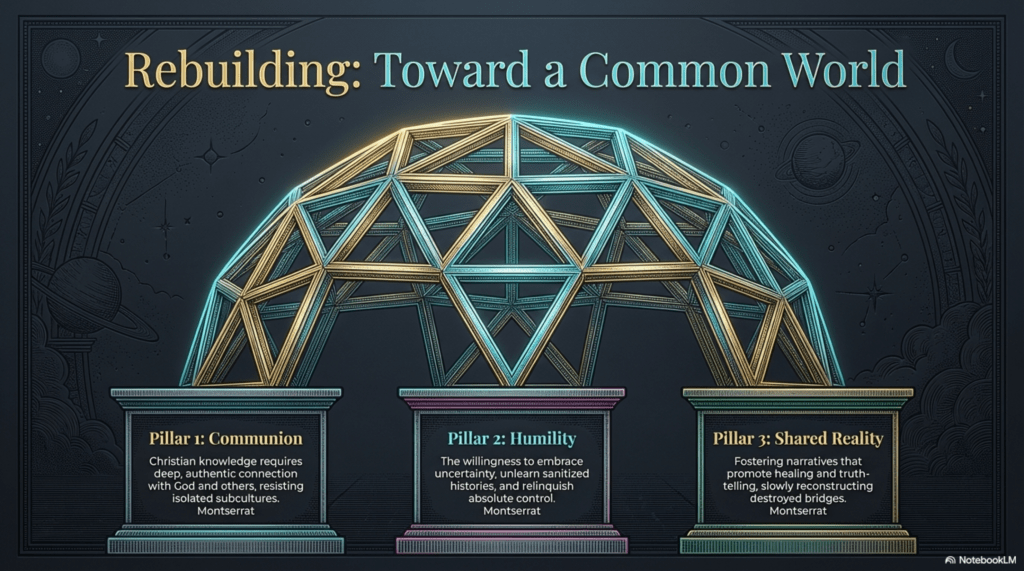
Reclaiming a shared reality in the wake of “Disreality” demands that we become “dissident disciples”—individuals who actively resist the pull of red-pilled mastery and the seductive lure of secret knowledge. We have an ethical responsibility to move beyond the pursuit of power and return to the foundational virtues of simplicity and communal honesty.
The task ahead is not to win an argument, but to foster narratives of healing that can bridge our fractured common worlds. True witness in a world of ruins is found in the radical humility of admitting our own brokenness and seeking a reality that we do not control, but one that we inhabit together.
If our reality is built on the stories we tell, what story are you currently building with your words and your witness?

About the Author