via IFTTT
The Sacred No: Melissa Spiers and the Paradox of Holy Disobedience
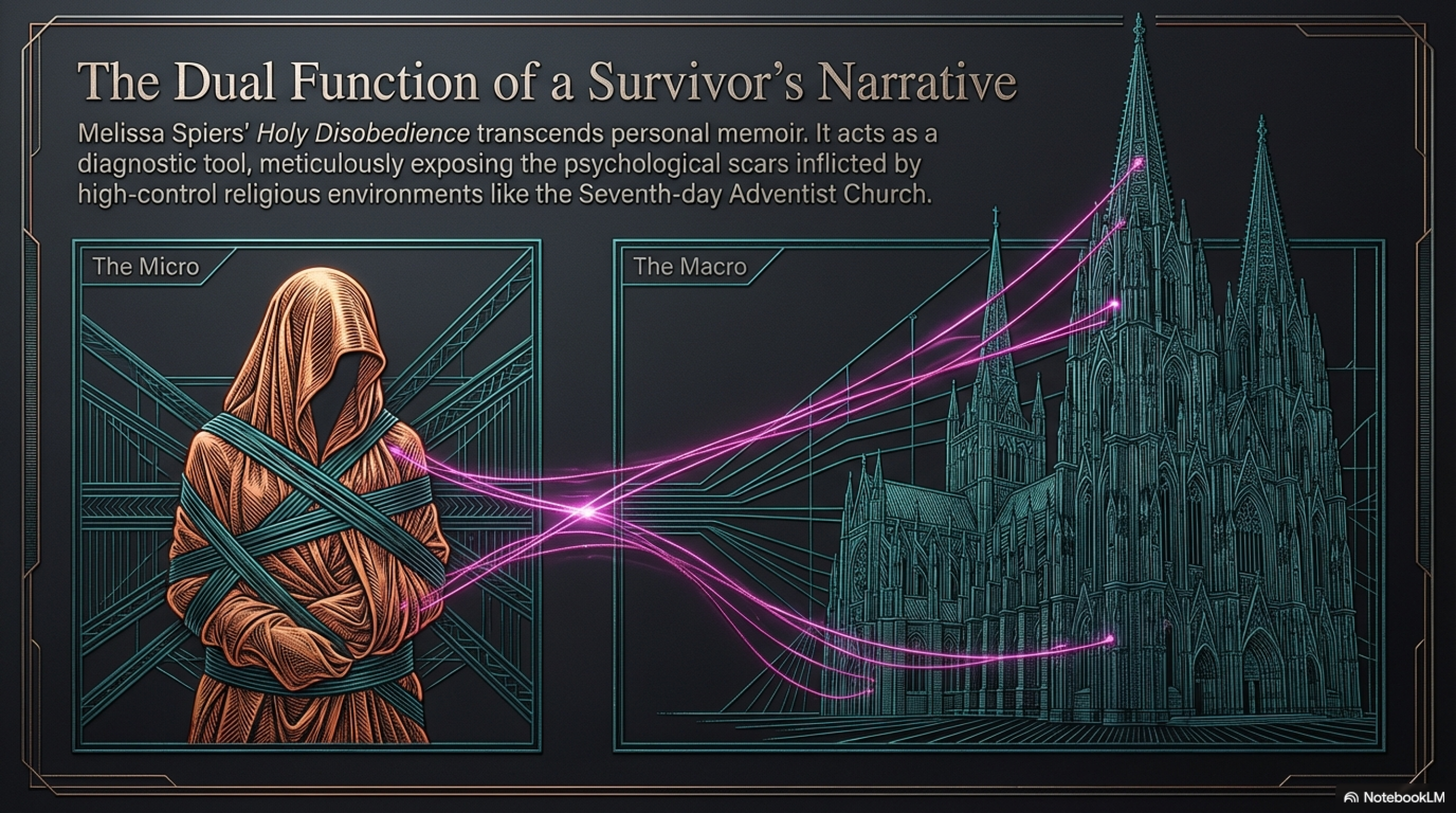
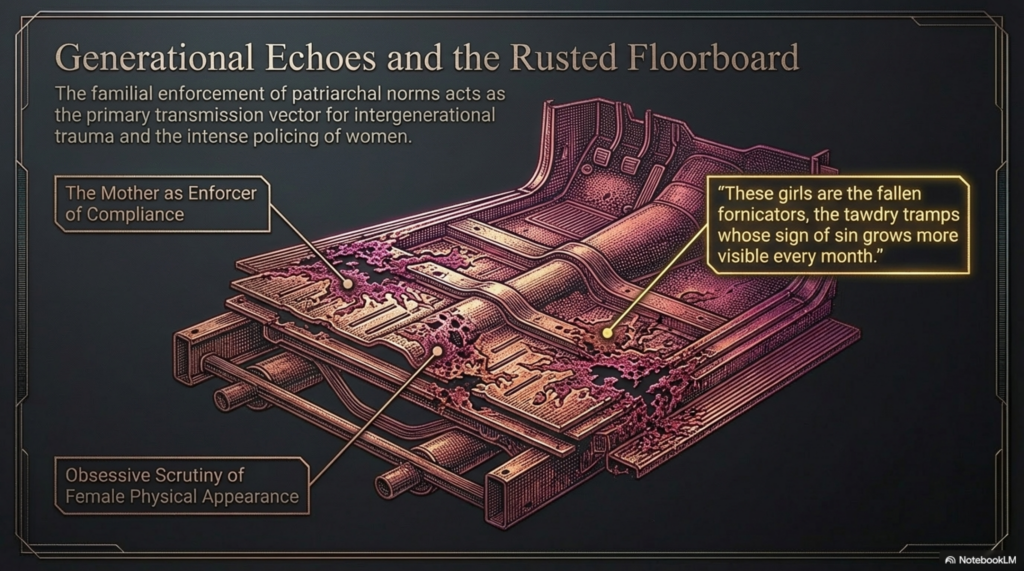
There is a specific, bone-deep terror in realizing that the ground beneath you is not solid. In her memoir Holy Disobedience, Melissa Spiers evokes a childhood memory of riding in a car with a rusted floorboard, watching the asphalt blur dangerously close beneath her feet. It is a hauntingly precise metaphor for a life built within a high-control religious environment. For Spiers, raised in the Seventh-day Adventist Church, the institutional structures that promised eternal safety were the very things rotting away her sense of self.
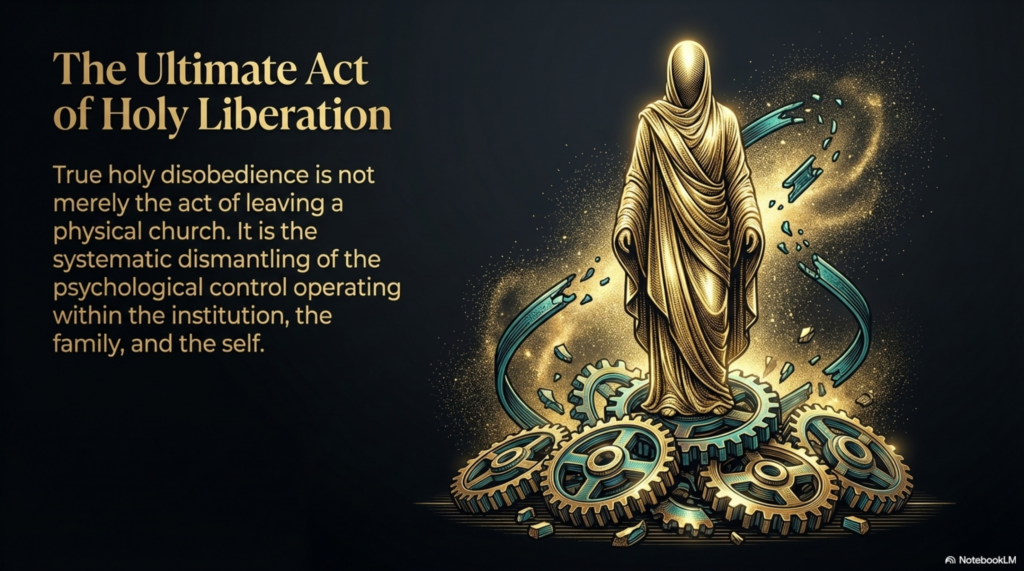
Leaving such a system is rarely a clean break; it is more akin to being “marooned” on an island of one’s own making, stripped of the maps and social scripts that once dictated every breath. The cost of belonging was absolute compliance, an institutionalization of guilt that framed every independent thought as a step toward perdition. To reclaim autonomy, Spiers suggests, one must perform a radical theological pivot: transforming “sinful” rebellion into a sacred necessity.
Holy Disobedience serves as a sociological autopsy of spiritual abuse and a roadmap for the “marooned.” It challenges the conventional wisdom that holds obedience as the highest virtue, proposing instead that the most profound act of faith is often the courage to say “no” to a system that demands the erasure of the individual.
When Rebellion is a Sacred Act
In the rigid hierarchy of high-control groups, doubt is a defect and defiance is a death sentence. Spiers upends this power dynamic by reframing disobedience not as a moral failure, but as a “collective act of resistance” required to preserve one’s moral integrity. This is “Holy Disobedience”—the realization that when a system becomes an instrument of suppression, staying “good” by the institution’s standards requires becoming “bad” by the standards of one’s own conscience.
For those conditioned to equate authority with divinity, this shift is revolutionary. It moves the locus of moral agency from the pulpit to the person. Spiers argues that true integrity isn’t found in blind adherence to a script, but in the friction of standing against a community to protect the truth of one’s own experience.
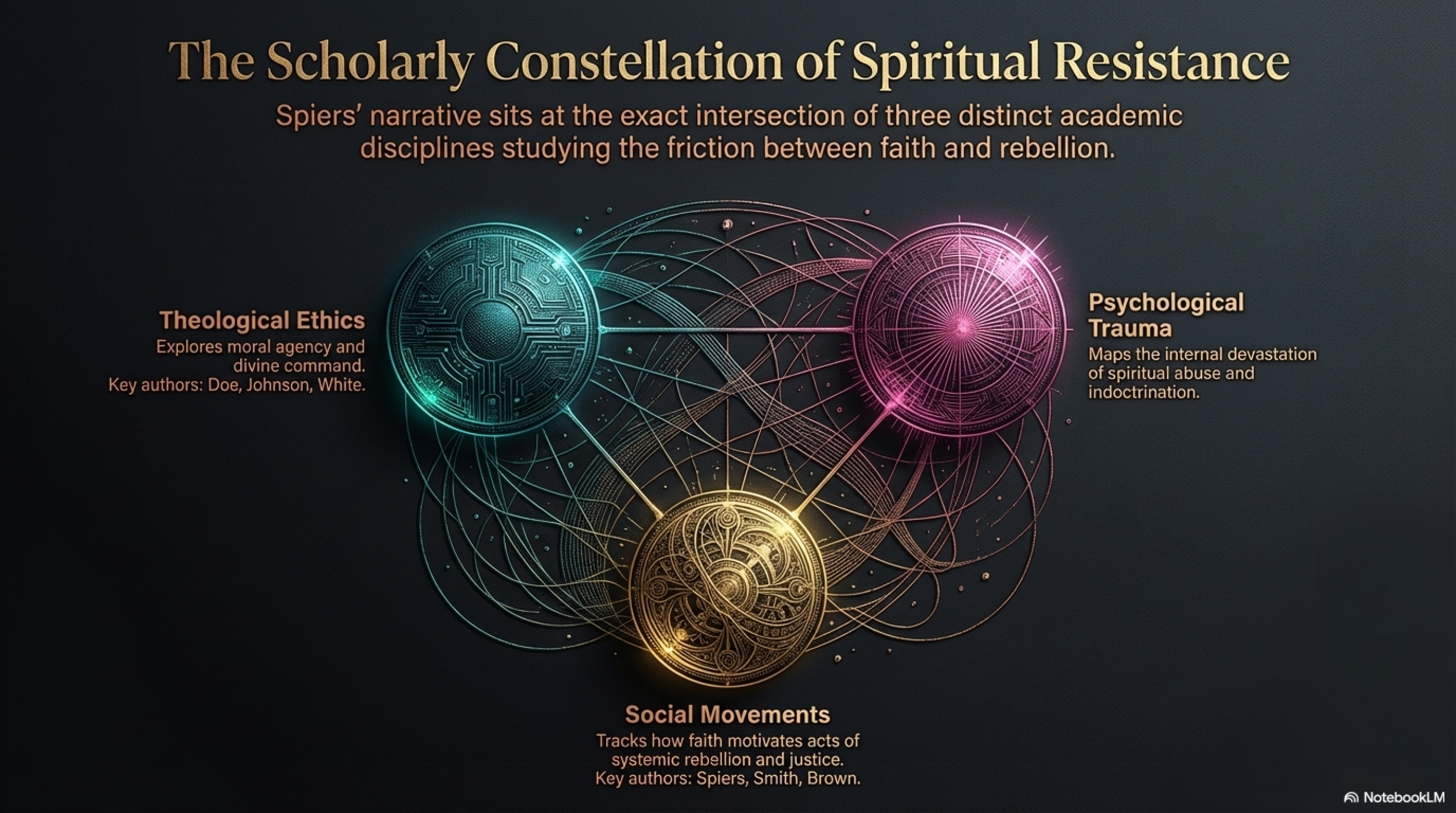
“Holy disobedience… [is] an exploration of how moral agency is exercised in contexts where individuals challenge established norms… it is a faith-based rebellion against unjust systems.”
The Midrashic War Between “Need” and “Want”
To understand the depth of Spiers’ disconnection, one must look at her narrative through a “Midrashic” lens—searching for the remez (hint) and derash (comparative meaning) beneath the peshat (surface story). In Chapter 1, a therapist’s simple inquiry into Spiers’ desires reveals a void. This isn’t just a lack of preference; it is a profound hermeneutical crisis.
Indoctrination functions by systematically replacing an individual’s wants—their primordial, soul-level desires—with needs. Within the church, “need” was redefined as a survival mechanism: the need to stay in good standing, the need to avoid the “visible sign of sin,” the need to placate a judgmental community. When your entire internal grammar is built around the “need” for safety and approval, the language of “want” becomes a foreign tongue. The body becomes a stranger, a vessel for requirements rather than a home for desire.
Morality Doesn’t Require a Pew
One of the most effective tools of high-control systems is the claim of a monopoly on virtue. Survivors are often haunted by the threat that, without the church, they will drift into a vacuum of nihilism, incapable of raising ethical children or living a meaningful life. Spiers dismantles this by looking at her children through the lens of common humanity rather than dogma.
She realizes that empathy, responsibility, and compassion are not religious commodities; they are innate human traits. This is a direct threat to institutional control: if “goodness” can flourish outside the walls of the church, the church loses its leverage of fear. Spiers’ realization in Chapter 40 is a manifesto for secular ethics, asserting that the light of the human spirit does not require a stained-glass filter.
“You have proven over and over… that growing ethical, responsible, caring, and compassionate humans does not require religion.”
The “Toxic Mirror” of the Mother and the Church
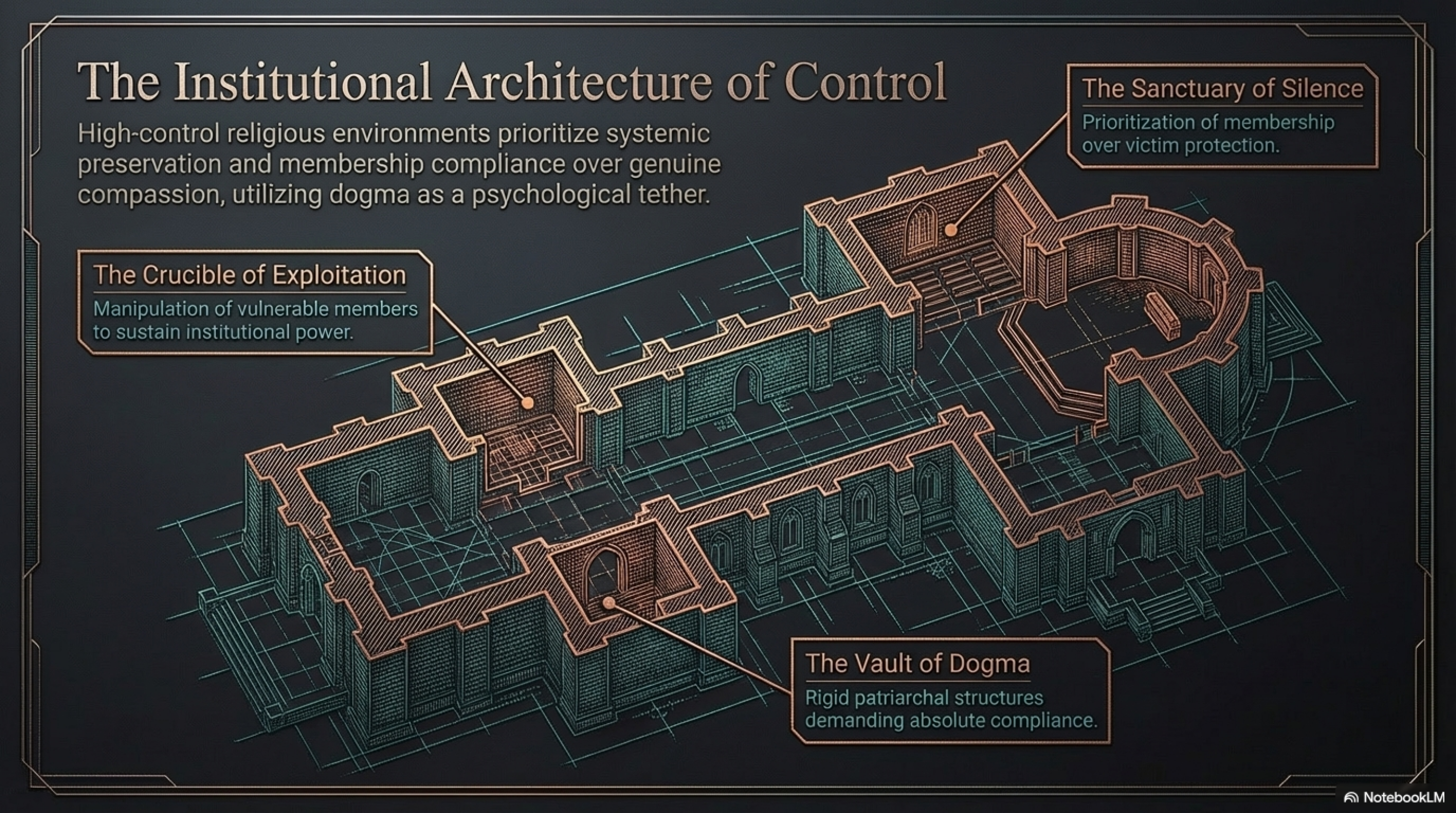
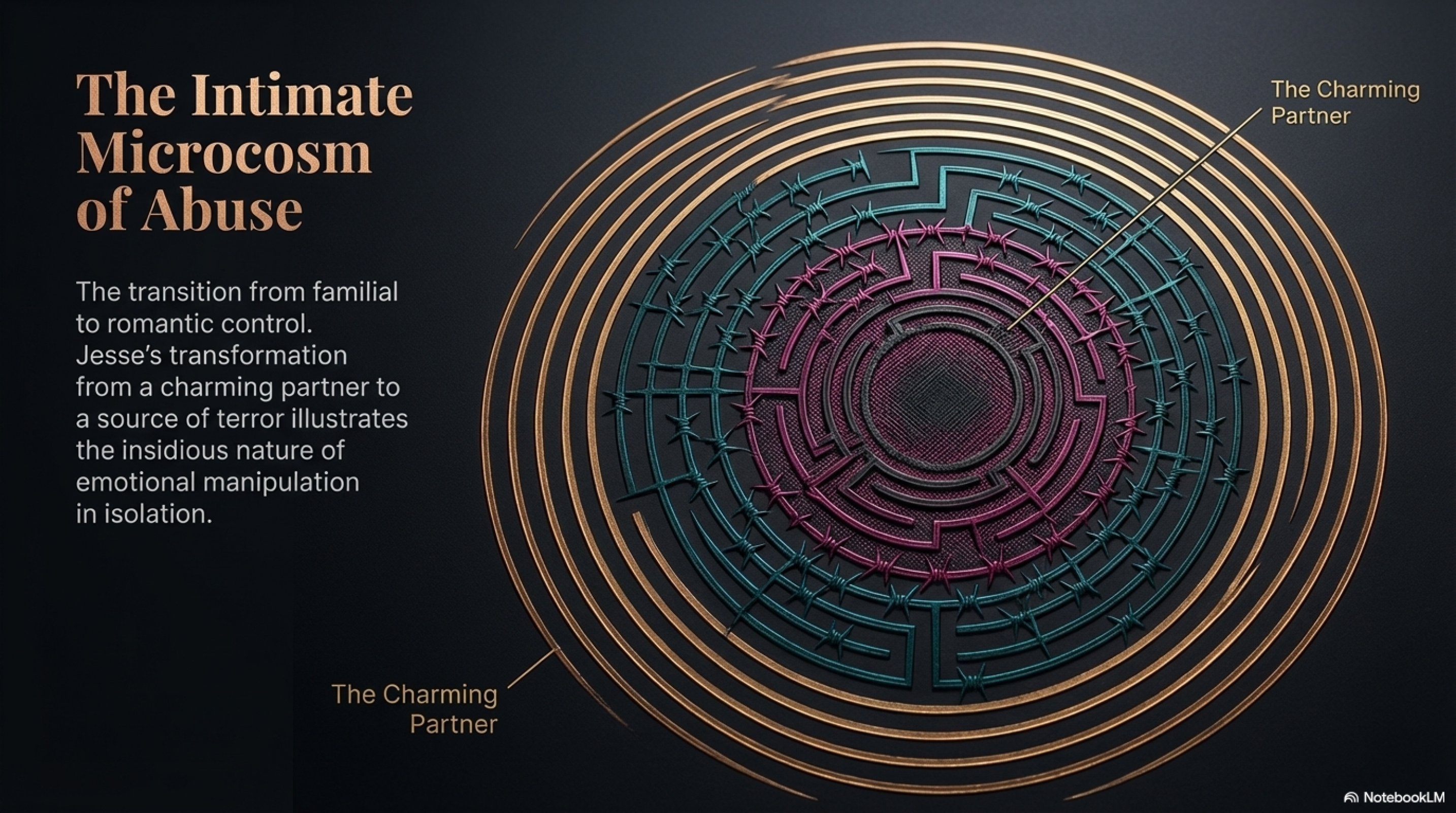
The trauma of a high-control upbringing is rarely confined to the sanctuary; it creates a “toxic mirror” that distorts every subsequent relationship. In Spiers’ case, the path to the abusive Jesse (Chapter 22) was paved by the intergenerational transmission of trauma. The church’s patriarchal rigidity was mirrored in her mother, who served as an enforcer of institutional shame, viewing unwed mothers as “fallen fornicators” and “tawdry tramps.”
When a child is raised by a mother whose warmth is conditional upon submission, and a church that teaches that boundaries are a sign of pride, they are perfectly primed for a partner like Jesse. The “insidious nature of emotional manipulation” feels like home because it follows the same rhythms as the pews: the shifting goalposts of “goodness,” the constant scrutiny, and the requirement to shrink oneself to keep the peace.
The Non-Linear Rhythms of Recovery
Healing is a Wave, Not a Finish Line
Recovery is often sold as a linear climb, but Spiers describes it as a series of waves marked by anger, nostalgia, and self-discovery. This perspective is vital because it makes room for the survivor’s most confusing emotion: nostalgia.
It is a sociological reality that one can miss a cage because the cage was once “home.” The “nostalgia” Spiers describes is not a desire to return to the doctrine, but a grief for the lost community and the simplicity of having a map, however flawed. Understanding healing as a shifting tide allows survivors to experience the back-and-forth of grief without seeing their own lingering pain as a failure to “move on.”
Conclusion: Reclaiming the Narrative
The ultimate power of Holy Disobedience lies in its refusal to remain a silent participant in its own destruction. By speaking out against the systems that perpetuate silence, Spiers transforms her “marooned” isolation into a beacon for others. Breaking the cycle of abuse—whether familial, romantic, or institutional—is an act of restoration that begins with a single, truthful word.
We are left to wonder: What “holy disobedience” is being asked of us in our own lives? What systems—religious, familial, or social—are we protecting with a silence that is slowly eroding our own floorboards? Truth-telling is the only way to the shore. Reclaiming your narrative is not merely an act of rebellion; it is the most sacred act of survival you will ever perform.
About the Author