via IFTTT
Beyond the Veil: An Academic Analysis of Rabbi Yosef Ergas’ Shomer Emunim
Beyond the Veil: An Academic Analysis of Rabbi Yosef Ergas’ Shomer Emunim
1. Introduction: The Gatekeeper of the Secrets
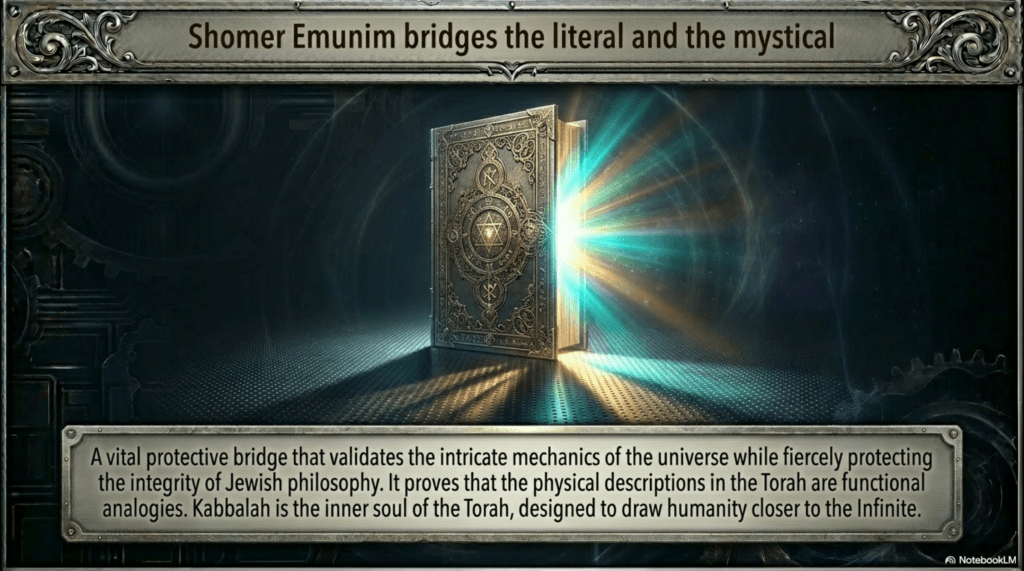
The 1720s represented a period of profound theological volatility within the Jewish world, a time when the communal psyche was reeling from what Rabbi Yosef Ergas termed the “leprous plague” of Sabbatianism. This heretical movement had hijacked the cryptic language of the Kabbalah to justify antinomian excesses, leading to a reactionary wave of rationalist skepticism that sought to excise mysticism from the Jewish corpus entirely. Into this intellectual crossfire stepped Ergas, a titan of both halachic rigor and esoteric depth. His seminal work, Shomer Emunim (“Guardian of the Faith”), published posthumously in Amsterdam in 1736, was a strategic deployment of theology designed to preserve the authentic tradition of the Arizal (Rabbi Yitzchak Luria). Ergas functioned as a crucial bridge, demonstrating that the “Wisdom of Truth” was not an apocryphal add-on, but the inner soul of the Talmudic tradition. The work’s strategic importance was later codified by the Brody Ban of 1756, which, while restricting mystical study for the masses to prevent further heresy, explicitly sanctioned Shomer Emunim as one of the few authoritative guides permitted for those seeking the “inner recesses” of the Torah.
2. The Socratic Duel: Shealtiel vs. Yehoyada
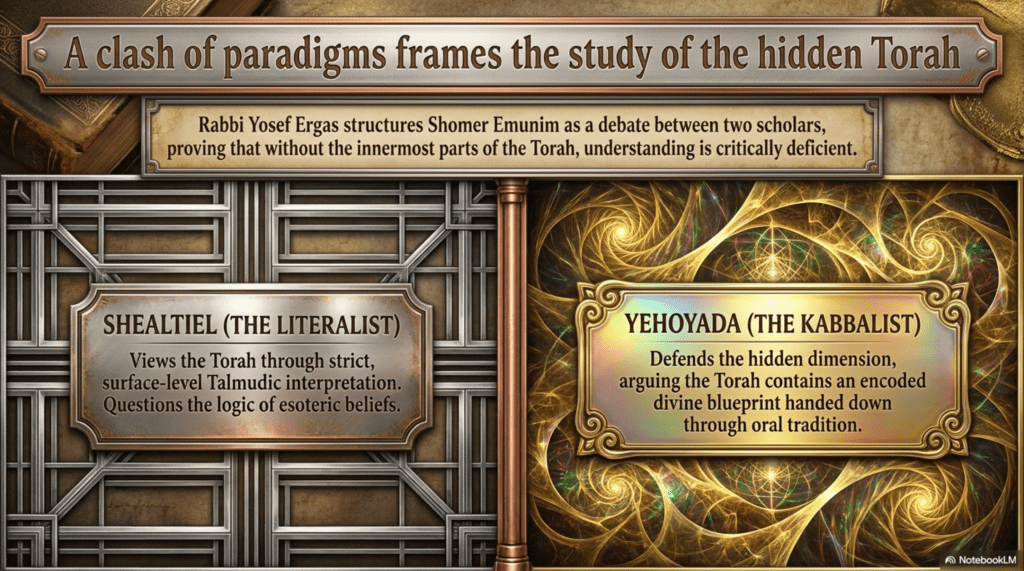
To navigate these treacherous waters, Ergas utilized the classical dialogical form—a strategic choice that allowed him to voice contemporary anxieties through a “Socratic duel.” The debate features two personas: Shealtiel, a representative of the Pashtanim (those who limit the Torah to its Peshat or literal meaning), and Yehoyada, a seasoned Kabbalist. It is important to note that Shealtiel is not an outsider to Judaism; he is a rigorous Talmudist whose skepticism is rooted in the fear that Kabbalistic “beliefs are not based on logic and cannot be argued against.”
Yehoyada’s rebuttal is the crux of Ergas’ pedagogical mission: he argues that mystical issues are “investigated and argued over in a similar manner to halachic issues.” By treating the esoteric as a branch of the Oral Law (Mesorah) that demands the same dialectical precision as civil law, Ergas dismantles the literalist objection. He transforms Kabbalah from a realm of “supernatural acts” into an intellectually rigorous discipline, essential for any scholar who wishes to move beyond the surface of the text to the “Great Reality.”
3. The Authenticity Crisis: Who Wrote the Zohar?
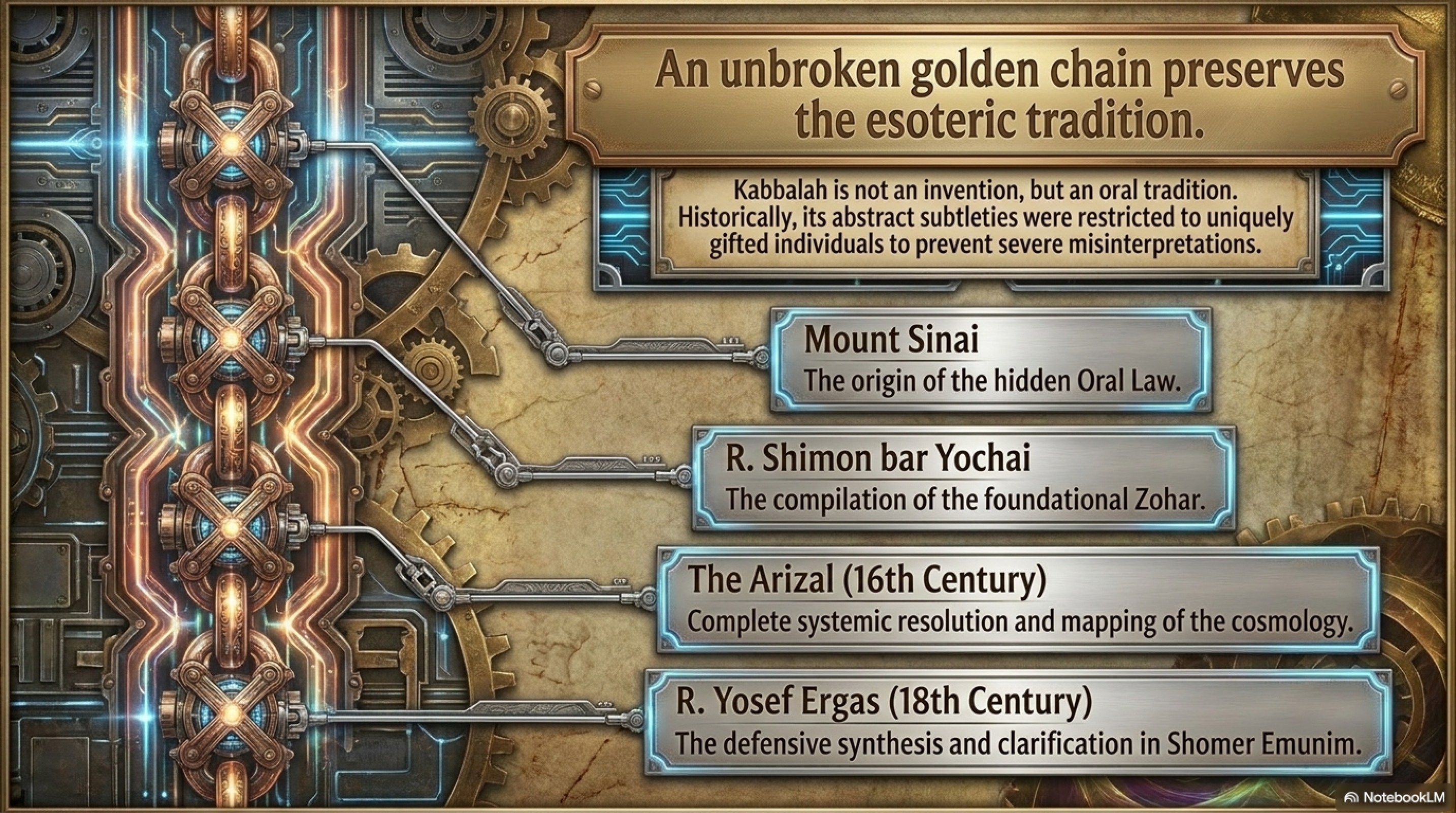
One of the most fascinating layers of intellectual detective work in Shomer Emunim involves the authorship of the Zohar. Ergas addresses the academic “problem” of whether the text was a 2nd-century revelation by Rabbi Shimon bar Yochai (RSBY) or a 13th-century invention by Moshe de Leon. Ergas posits a “subsumed notes” theory, explaining that while “R. Shimon bar Yochai did not write the Zohar in a book,” his oral traditions were compiled later, primarily during the Geonic period. During centuries of manuscript transmission, explanatory side glosses and “copy errors” by later scribes became integrated into the core text.
To bolster this defense, Ergas relies on the historical investigation of Rabbi Yitzchak of Acco, a 13th-century contemporary of De Leon. Though Yitzchak initially harbored doubts, his investigation (recorded in Otzar Chaim) ultimately confirmed the Zohar’s ancient Bar Yochai origins. Ergas thus accounts for medieval linguistic layers—such as references to post-Talmudic figures—as “additions made by later generations” that do not invalidate the antiquity of the core secrets.
4. The Tzimtzum Paradox: Literal Space vs. Metaphoric State
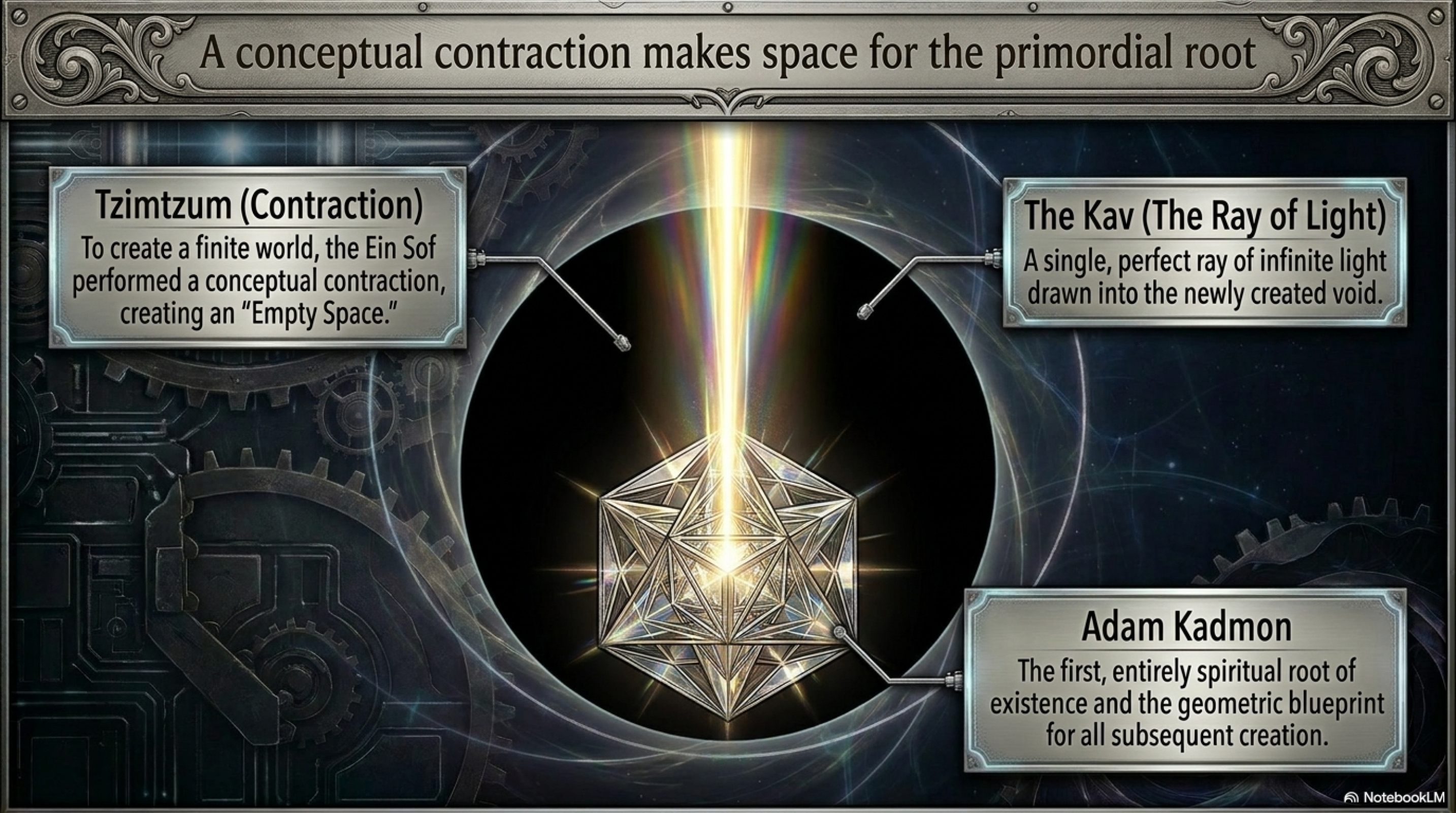
The most philosophically sensitive nerve in Ergas’ work is the doctrine of Tzimtzum (Divine Contraction). The debate centered on whether God’s withdrawal to create space for the universe was literal or metaphorical. Ergas identified the literalist view, known as Tzimtzum Kipshuto, as the root of the Sabbatian heresy, because it suggested God was subject to space and change—thereby “physicalizing” the Divine. Ergas and the Arizal insist that Tzimtzum is an “analogy that explains the relationship between the infinite Ein Sof and the finite world.”
| Interpretation | Nature of Contraction | Theological Status |
|---|---|---|
| Literal (Tzimtzum Kipshuto) | God physically withdrew to create empty space. | Rejected as heretical; implies God is subject to change/space. |
| Metaphorical (Accepted) | A conceptual concealment of Divine light to allow for finite existence. | Accepted as “Sublime Unity”; maintains God’s absolute omnipresence. |
5. The Architecture of Reality: Sefirot and the “Man” Analogy
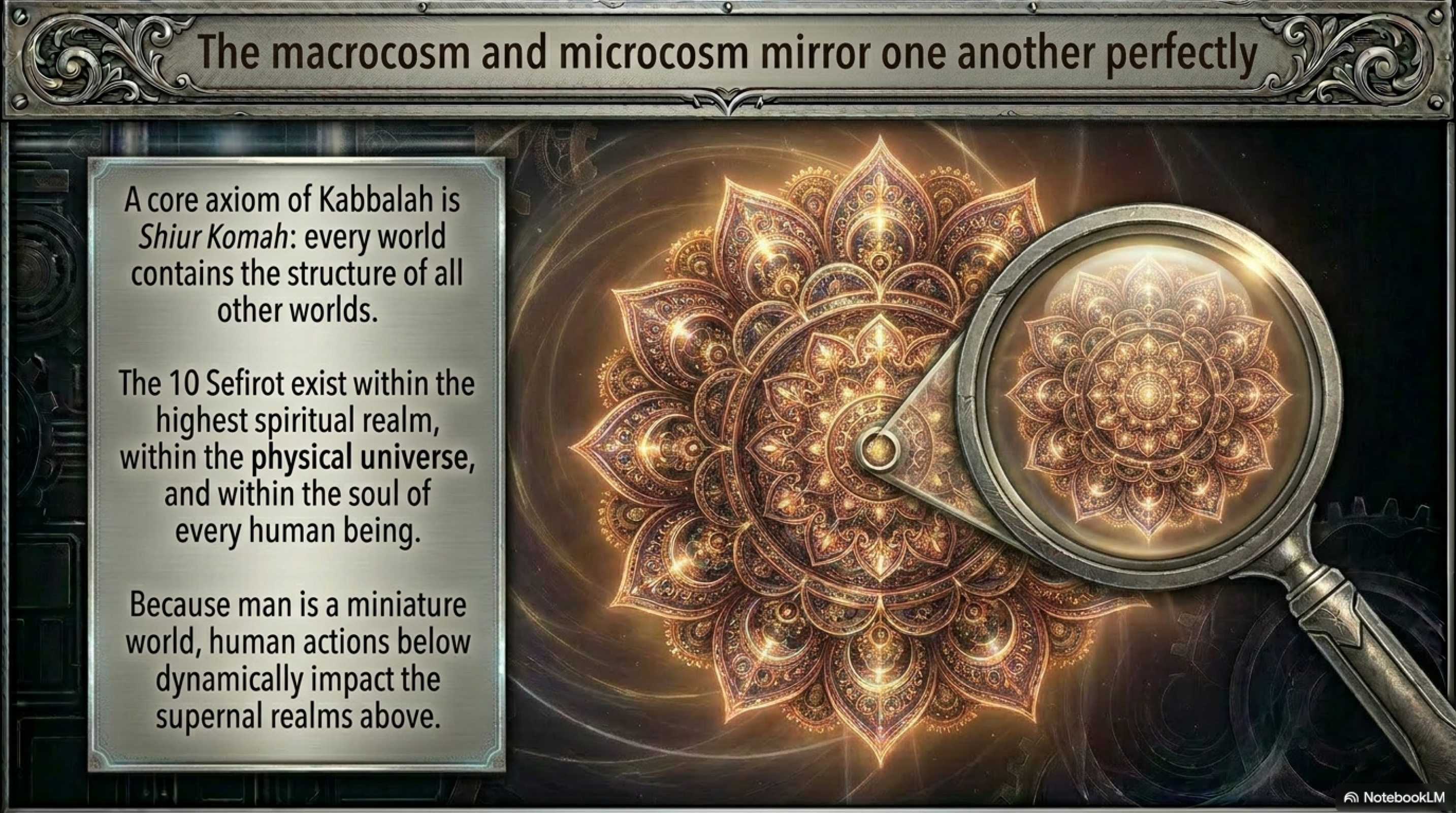
Ergas utilizes the concept of Shiur Komah—the “measurement of height” or the likeness of man—as a cognitive map for the Divine. He is careful to explain that Adam Kadmon (Primordial Man) refers to the soul and the intellectual structure of reality, not a physical body. This system allowed Ergas to contrast Kabbalah with the competitive landscape of medieval philosophy. While Maimonides (RaMbaM) was initially skeptical, Ergas argues that Kabbalah provides the “keys” that philosophy lacks, specifically regarding Divine Providence.
A striking analytical bridge is made between Kabbalistic and Greek thought: Ergas links the ancient concept of “Tohu” to the Greek philosophical concept of “Hyle” (primordial matter). By mapping these esoteric levels (Chesed/Kindness, Gevurah/Strength) as the internal architecture of reality, Ergas demonstrates that God’s interaction with the world is structured and logical, yet remains unified in the “Sublime Absolute Essence.”
6. The 1840 Prophecy: When Science and Mysticism Collide
In a remarkable synthesis of tradition and foresight, Ergas references the Zohar’s prediction regarding the Hebrew year 5600 (1840 CE), which prophesied the “simultaneous opening of the gates of Kabbalistic and scientific knowledge.” While Ergas provided the 18th-century foundation, modern scholars like Avinoam Fraenkel have extended this analysis to the 21st century.
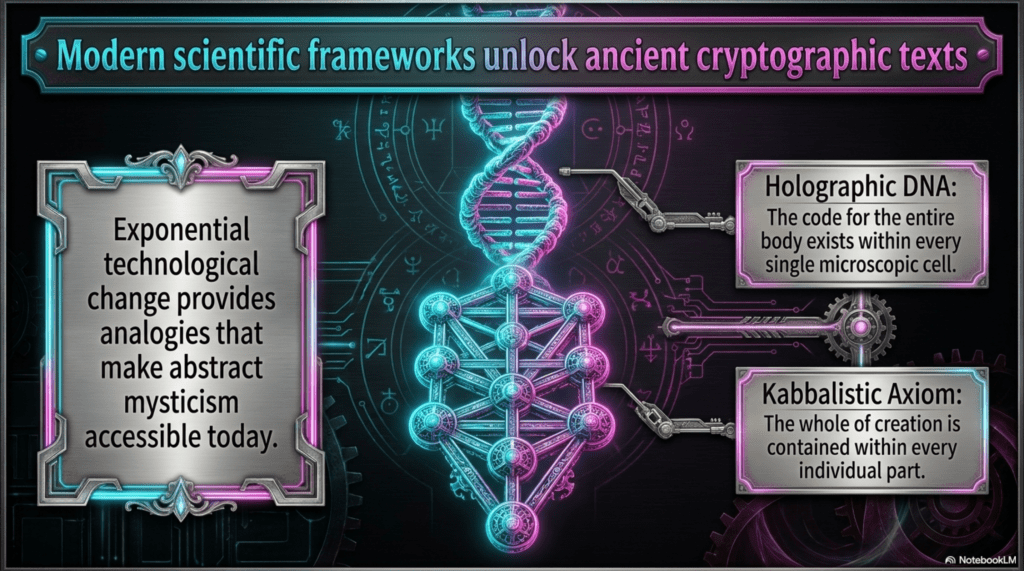
Fraenkel uses contemporary scientific paradigms as analogies to make the abstract subtlety of the Arizal’s Partzufim (configurations) intelligible. For instance:
DNA: Just as every cell contains the code for the entire organism, the Kabbalistic principle dictates that “every whole contains all the parts.”
Emergence: The way complex systems arise from simple interactions provides a modern framework for understanding how the Sefirot configure into complex Divine “Personas.”These are not merely coincidences but represent the “opening of the gates” where the language of the laboratory and the sanctuary converge to describe the same underlying reality.
7. Conclusion: The “So What?” of Modern Kabbalistic Study
For the contemporary seeker, Shomer Emunim is far more than a historical artifact; it is a foundational resource for perceiving the “deepest level of Torah study.” It transforms Kabbalah from a collection of “apocryphal acts” into a prerequisite for understanding the true nature of reality.
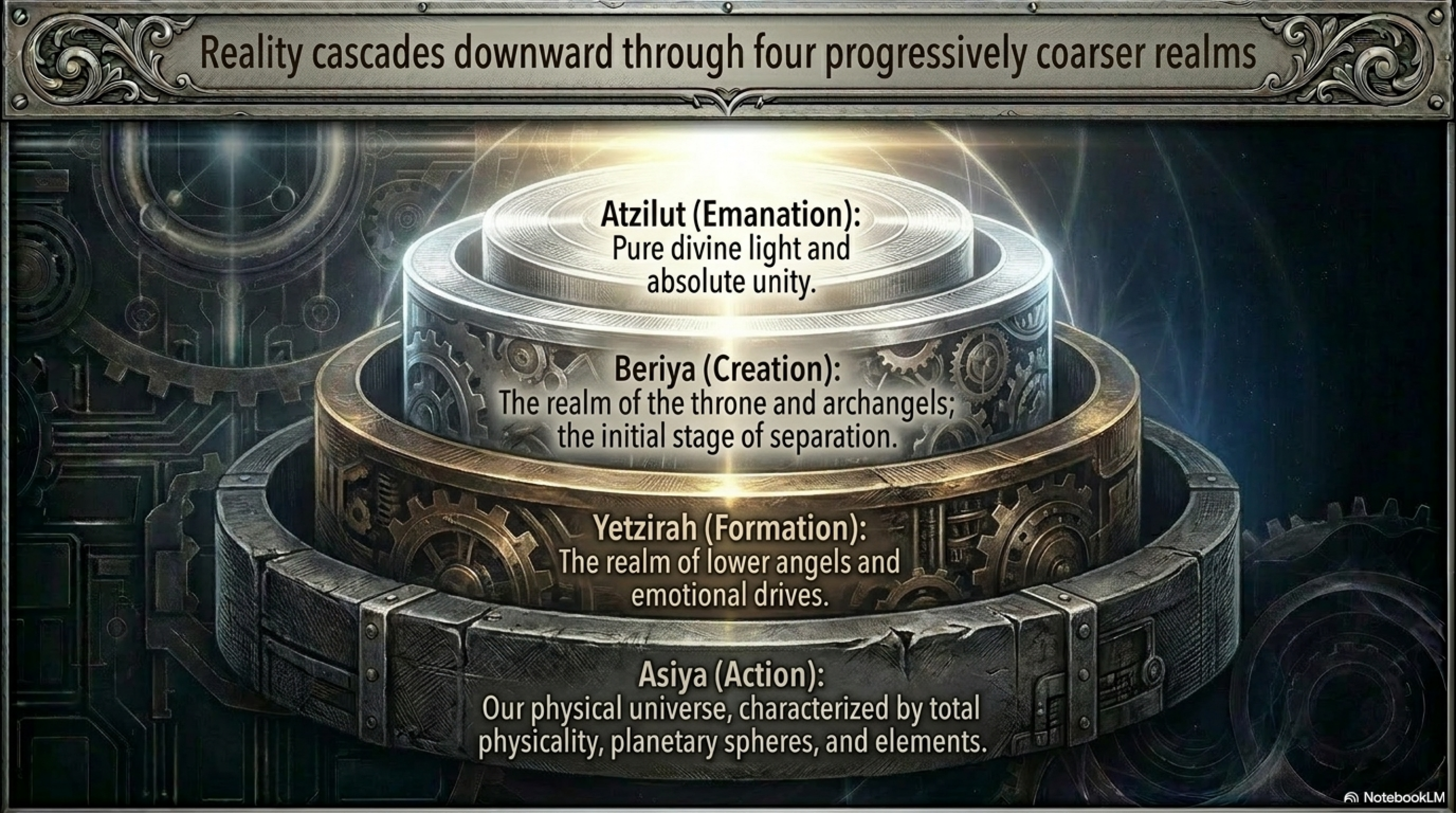
Three Most Critical Takeaways for the Non-Specialist:
Unity over Multiplicity: Despite the complex terminology of ten Sefirot, the underlying reality is a “Sublime Absolute Unified Essence.” Multiplicity exists only in the “vessels” of our perception, not in the Creator.
The Necessity of a “Teacher”: Ergas warns that studying Kabbalah without a guide leads to the sin of “physicalizing” God—taking metaphors literally and thereby distorting the very nature of the Divine.
The Integration of Science and Faith: Mysticism and science are two extremities of the same knowledge. Modern models like DNA and Emergence are the tools intended to help us finally decode the “abstract subtlety” of the ancient secrets.\
About The Author