via IFTTT
Why the Story of Nadav and Avihu Still Haunts Us: A Psychohistorical Investigation
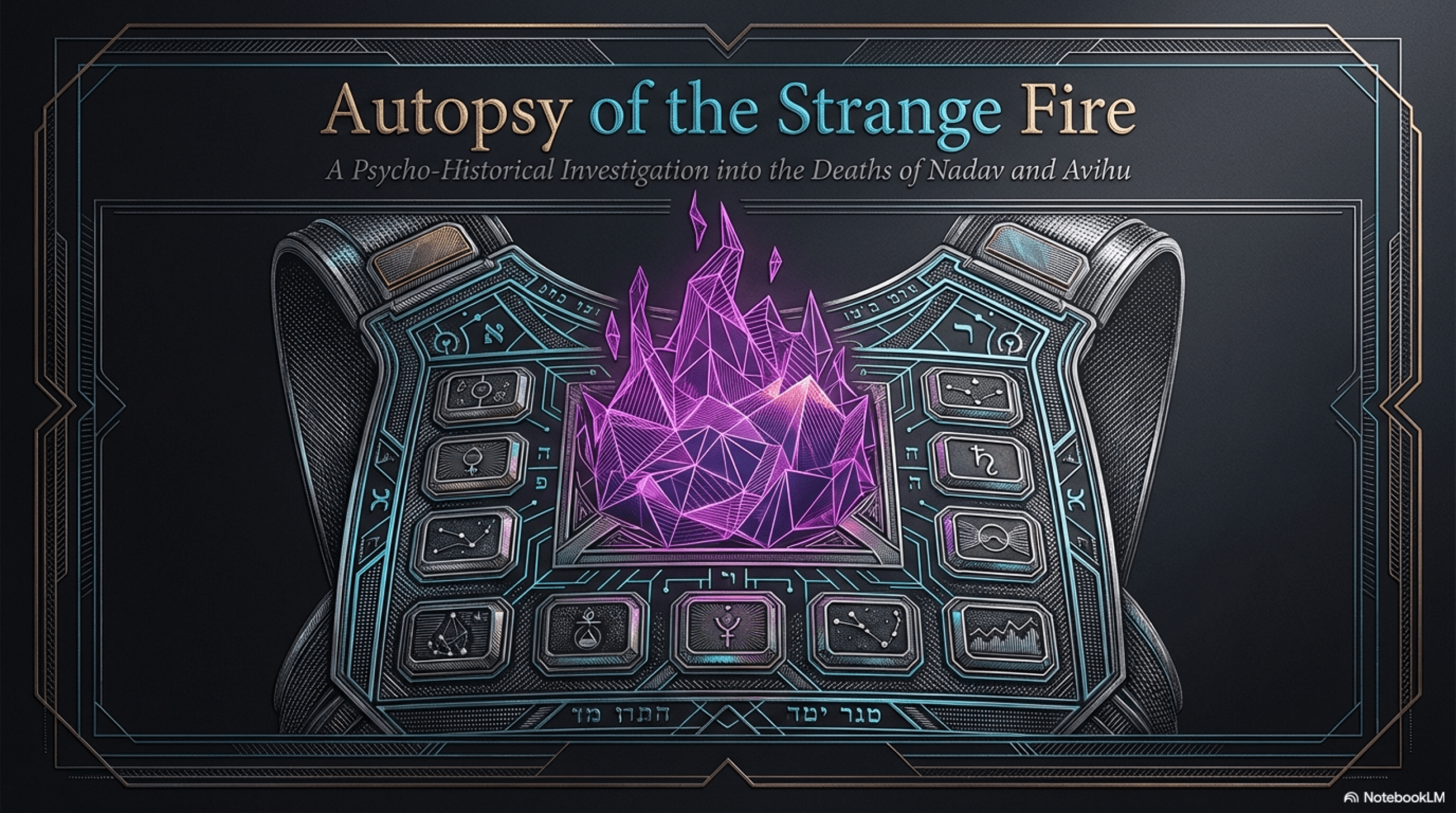
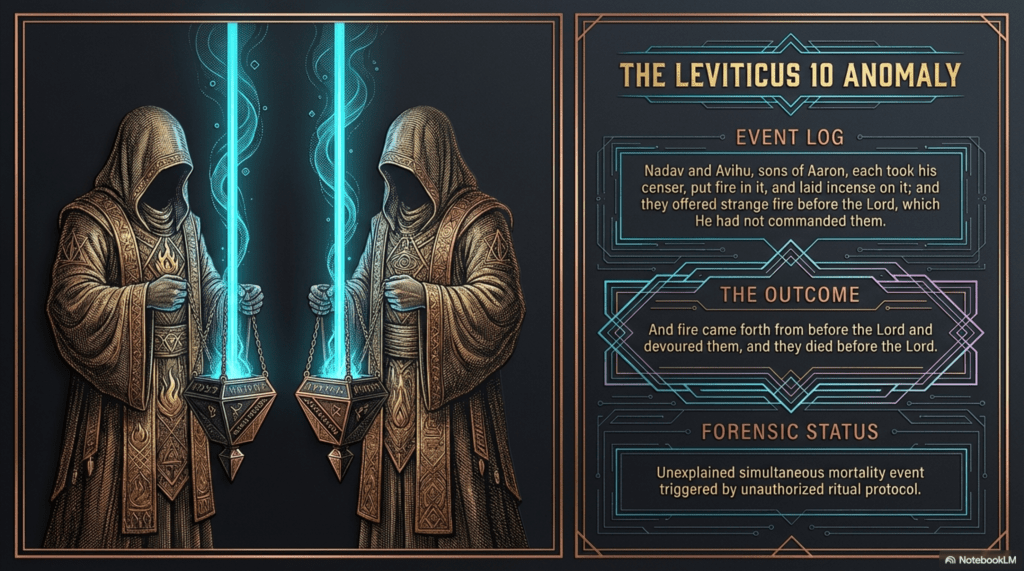
The air within the Tabernacle, moments after its long-awaited inauguration, would have been thick with the sensory markers of the divine: the pungent sweetness of frankincense, the metallic tang of sacrificial blood, and the palpable, low-frequency hum of a nation in awe. This was the crescendo of the Exodus, the moment the primordial fire of Sinai was domesticated into the bureaucratic sanctity of the Mishkan. Yet, in a heartbeat, the atmosphere of triumph curdled into a scene of visceral horror. Nadav and Avihu, the eldest sons of Aaron, stepped forward with their censers to offer eish zarah—”strange fire”—and were instantly consumed by a divine flash.
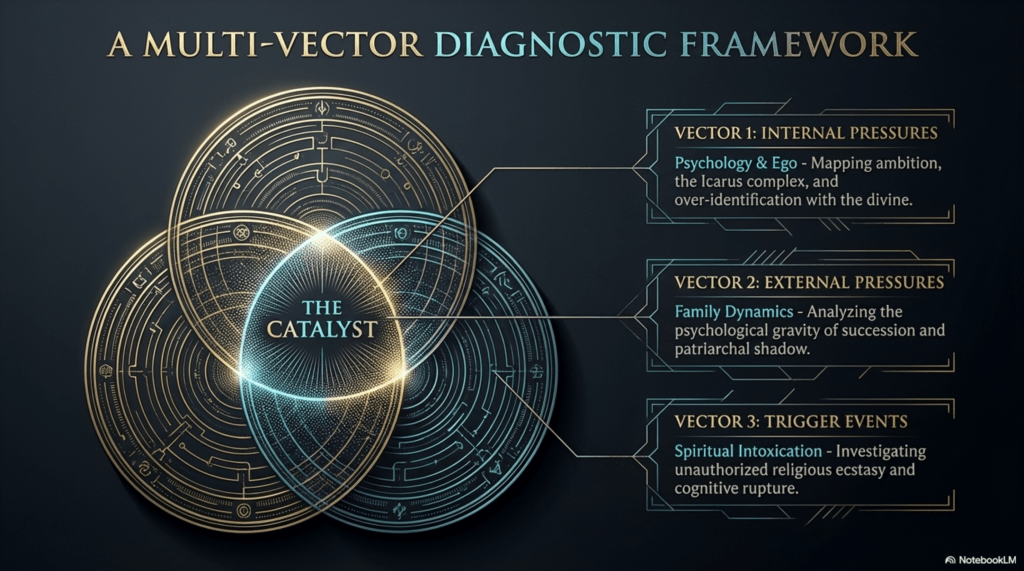
The tragedy of Leviticus 10 is often read as a cautionary tale of liturgical protocol, a divine “keep off the grass” sign. But when viewed through a psychohistorical lens, the event reveals a far more complex internal architecture. To understand why these two favored sons bypassed the very structures they were born to uphold, we must look beyond the ritual mechanics and into the psychological pressures of a dynasty in the making. Their deaths were not merely the result of a procedural error; they were the climactic expression of a unique psychological profile shaped by the weight of greatness, the vertigo of the divine, and the suffocating silence of a predetermined life.
The Inheritance of Giants: Growing Up in the Shadow of Moses
Nadav and Avihu did not exist as individuals so much as they existed as symbols of a future. As the eldest sons of the High Priest and the nephews of Moses—the man who spoke to God as if with a friend—their psychological development was inextricably tied to a transgenerational shadow. To be the successor to a monolithic figure is to live in a state of ontological diminishment; one’s own identity is always a secondary draft of a legendary original.
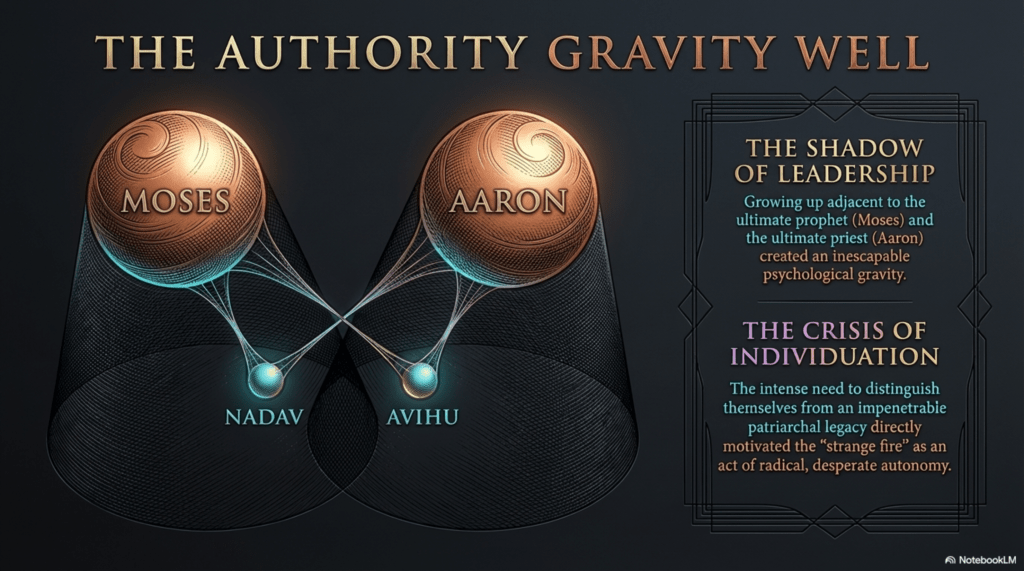
The “familial pressure” exerted by the Moses-Aaron diarchy created a specific kind of spiritual claustrophobia. For Nadav and Avihu, the act of offering “unauthorized fire” may be understood as a desperate attempt at spiritual agency. In a system where every movement was scripted by their uncle and every garment designed for their father, the “strange fire” was the only thing that was truly their own. Psychohistorically, we see a pattern where the children of revolutionary leaders often resort to radicalism or reckless innovation as the only means of carving out a self separate from the overwhelming gravity of their predecessors.
The Theology of Entitlement: An Icarus Complex in the Sanctuary
There is a particular psychological peril inherent in proximity to power, especially the divine. Modern psychological analysis suggests that Nadav and Avihu suffered from a spiritualized “Icarus Complex”—a state of over-identification with the divine that blurs the boundaries between the self and the Sacred. They were among the elite few who had ascended the mountain and seen the “pavement of sapphire” under God’s feet. This intimacy likely bred a fatal sense of entitlement.
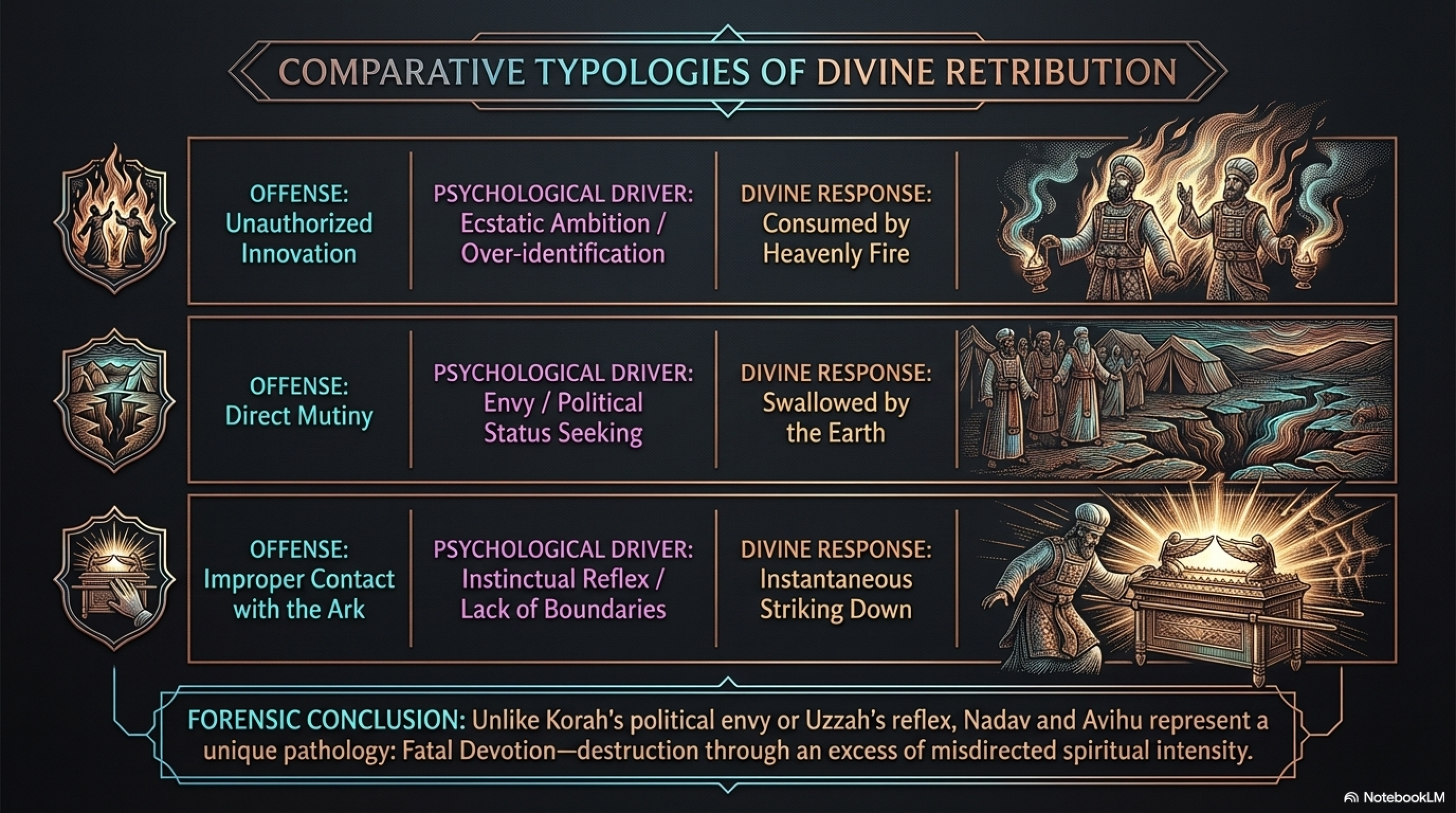
Their spiritual intensity, while ostensibly a virtue, became a mechanism of grandiosity. When an individual begins to believe their internal fervor grants them a “special status” that supersedes communal law, they lose the capacity for humility that the ritual structure is designed to enforce. They flew toward the flame not out of ignorance, but out of a conviction that they were immune to its heat—that their subjective inspiration was a higher authority than the objective command.
The Liturgy of Ecstasy: The Quest for Authenticity
The biblical text offers a cryptic postscript to the tragedy: a sudden divine prohibition against priests consuming wine before entering the sanctuary. This suggests a link between the brothers’ fatal innovation and a state of intoxication—literal or metaphorical. This “spiritual intoxication” points to a profound conflict between ecstasy and protocol.
In a world of rigid liturgical rigidity, the “strange fire” was perhaps a quest for a raw, ecstatic experience that the established ritual could no longer provide. If the brothers were indeed under the influence, it speaks to a psychological need to lower the inhibitions of the ego to feel “authentic” in a system that demanded total self-effacement. Their crime was an attempt to bypass the discipline of the sacred in favor of the high of the spiritual. They sought the peak experience without the climb, forgetting that the fire which warms the sanctuary is the same fire that consumes the intruder.
The Aristocracy of the Soul: Ambition and the Unmarried Heart
Classical Midrashic traditions provide the final pieces of this psychohistorical puzzle, depicting Nadav and Avihu as men of chilling ambition and perceived social superiority. There is a haunting tradition that suggests they walked behind Moses and Aaron, whispering to one another, “When will these two old men die, so that you and I may lead the generation?”
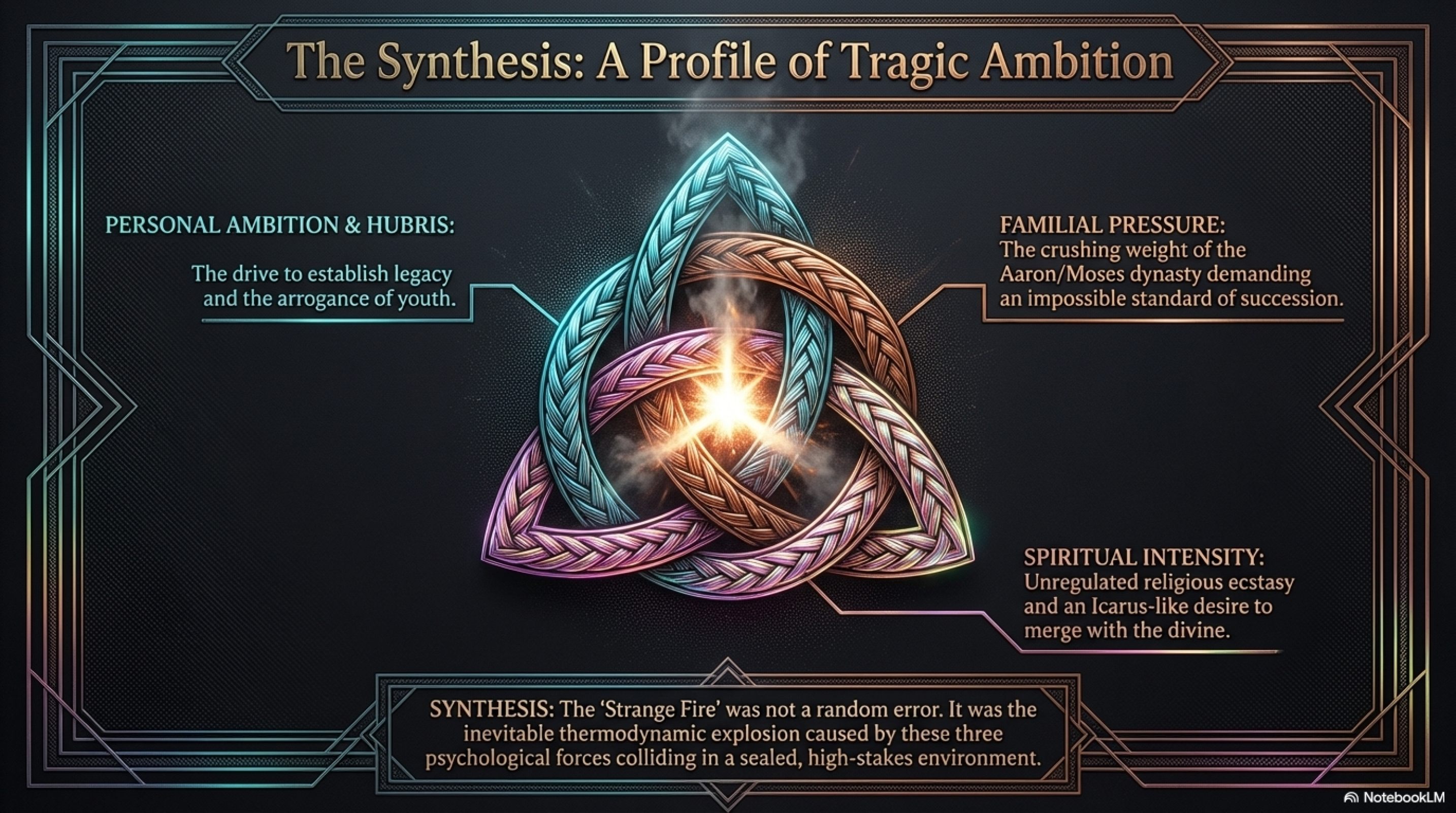
This ambition was reflected in their personal lives; the tradition notes they remained unmarried, not out of asceticism, but out of a sense that no woman was worthy of their lineage. This synthesis of personal ambition, familial pressure, and spiritual intensity creates a profile of “The Aristocracy of the Soul.” They viewed themselves as so elevated that they were no longer bound by the humanizing structures of marriage or the patient deference of the student. Their “strange fire” was the external manifestation of an internal fire of self-importance that had been smoldering for years.
The High Priest’s Paradox: The Sound of a Father’s Silence
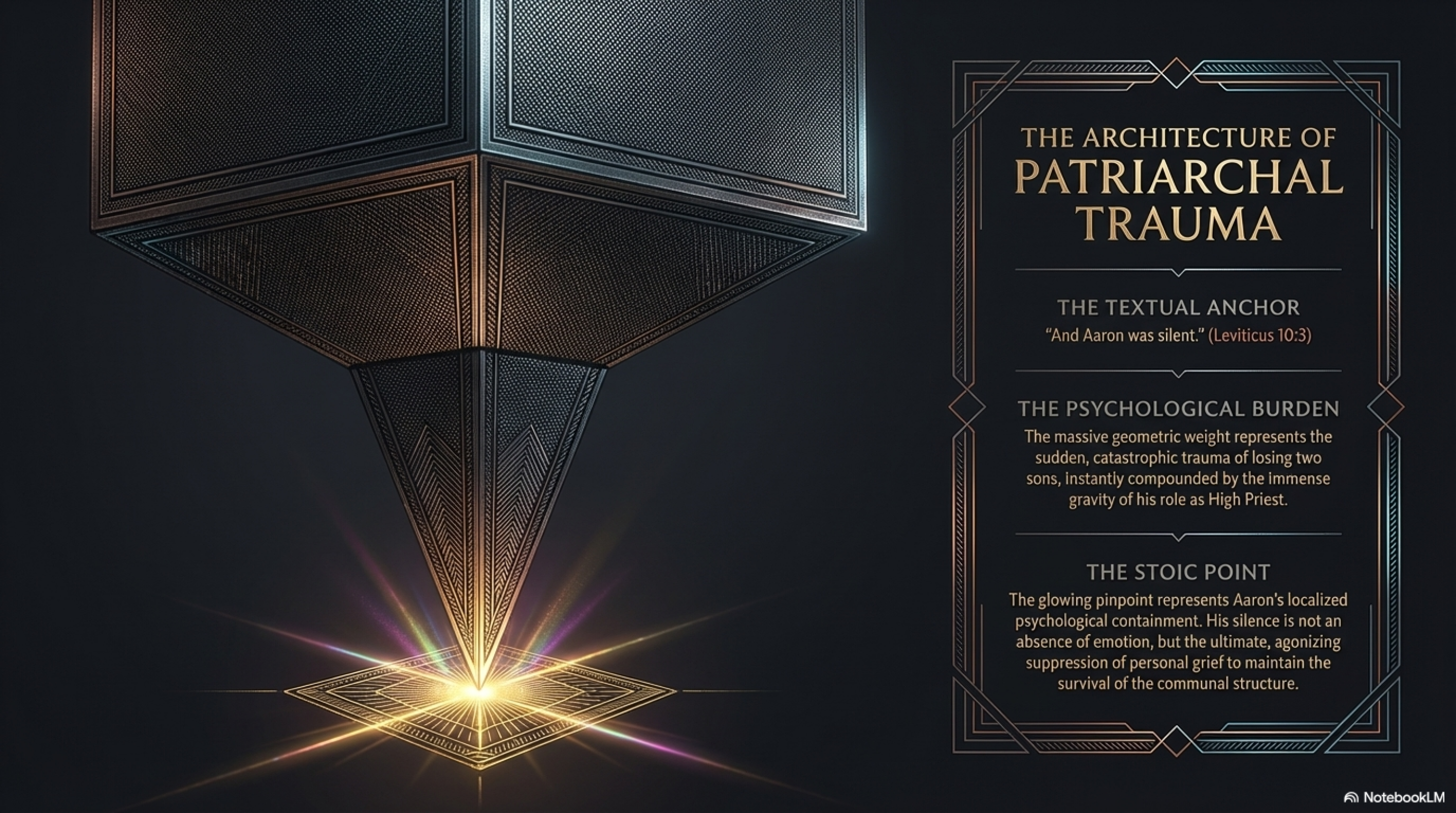
The narrative’s emotional core, however, belongs to the survivor. Upon the death of his sons, the text records a devastatingly brief reaction: Vayidom Aharon—”And Aaron was silent.” In the wake of trauma, this silence is the sound of a father’s internal collapse. But it is also a testament to the crushing weight of communal responsibility.
As the High Priest, Aaron was “on the clock” for the nation. His silence represents a psychological amputation; he was forced to suppress his private grief to maintain the integrity of the institution. While his sons died seeking an unauthorized personal expression, Aaron lived by performing a total retraction of the self. This contrast is the ultimate tragedy of the house of Aaron: the sons were destroyed by an excess of self-will, while the father was paralyzed by its absolute denial.
The Perils of the Sacred
The haunting legacy of Nadav and Avihu serves as a study in the delicate ecology of the human psyche when it enters the orbit of the absolute. Their story warns us that the very qualities we prize in our leaders—intensity, ambition, and a drive for the divine—are the same qualities that, when untethered from humility and boundaries, lead to catastrophe.
Their “strange fire” remains a perennial question for any seeker: How do we honor our personal passion for the transcendent without being consumed by the very intensity we seek to express? Perhaps the lesson of Nadav and Avihu is that the most sacred fire is not the one we ignite ourselves, but the one we have the discipline to tend within the boundaries of the human.
About The Author